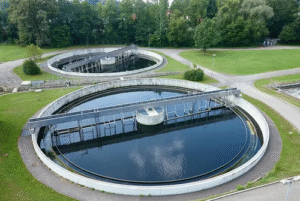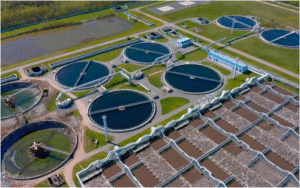
Water is one of the most important resources on Earth, yet billions of people around the world don’t have enough clean water to meet their needs. As the population grows, cities expand, and the climate changes, the need for fresh water is going up, but the amount of water that nature provides stays the same. This issue has made managing waste water more critical than ever. A properly designed waste water treatment plant does more than just clean up sewage—it turns it into a useful resource that can be used in many different areas.
In this blog, we’ll look at how waste water treatment and reusing water can help solve the problem of water shortages.We’ll also cover how treated water is used in different industries, the rules and policies that support water reuse, and the new technologies that are helping to ensure a safer and more sustainable future.
Understanding the Waste Water Treatment Process
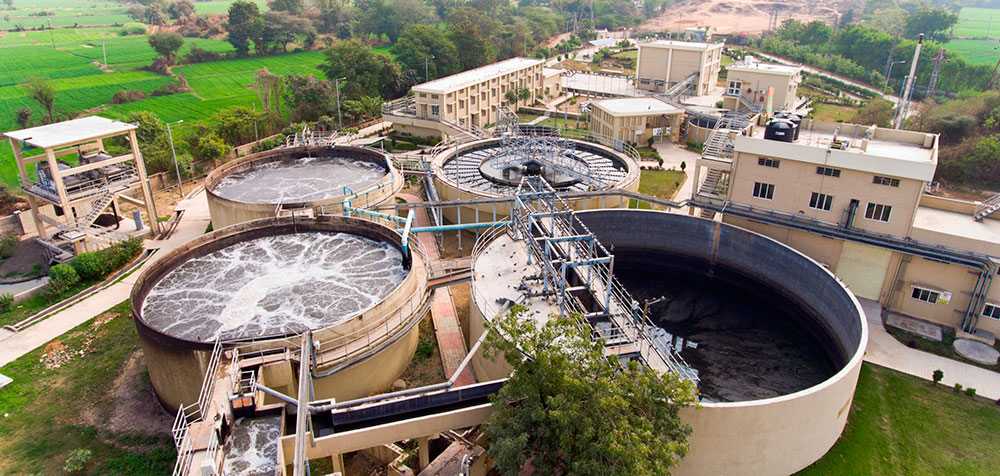
The process of treating wastewater goes through several stages to remove harmful substances and make the water safe for reuse. Usually, this process consists of:
- Primary Treatment of Wastewater – This step uses physical methods like screening and letting water sit to settle, which helps remove big particles and floating solids.
- Secondary Treatment of Wastewater – This involves using living organisms, like bacteria, to break down and digest organic materials in the water.
- Advanced or Tertiary Treatment – This stage includes more detailed steps such as filtering the water, killing harmful germs, and removing extra nutrients to make it suitable for use in special cases.
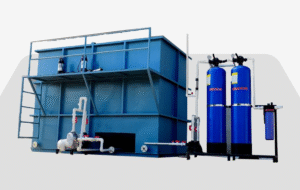
Modern Effluent Treatment Plants (ETP) and Drinking Water (DM) Plant Work facilities are important in this process.
They help manage industrial and city wastewater in a way that is both responsible and sustainable.
Reclaimed Water for Irrigation to Combat Drought
Agriculture uses almost 70% of the world’s fresh water. When there is a drought, it’s really hard for farmers to keep their crops growing. In such situations, water that has been treated from a wastewater plant becomes a big help. This reclaimed water, once cleaned and safe, can be used to water crops and support farming.
- Sustain agriculture during prolonged dry spells.
- Reduce reliance on over-extraction of groundwater.
- Replenish soil nutrients due to the presence of organic matter in treated water.
By using treated wastewater for farming, areas that often face drought can become more adaptable and still keep their natural water sources safe.
Wastewater Reuse to Reduce Freshwater Demand in Cities
Urban areas are experiencing a huge increase in the need for clean water, proper sanitation, and water used in industries. Cities often find it difficult to provide enough water, especially during very hot summers when water sources become empty. Treating wastewater can help fill this gap by providing water for:
- Landscaping, parks, and swimming pool maintenance.
- Industrial cooling and manufacturing.
- Toilet flushing and other non-potable uses.
When cities use a lot of treated wastewater, it greatly lowers the demand on fresh water sources, helping to keep water supplies safe and reliable for city residents over time.
Benefits of Reclaimed Water in Agriculture and Environment
Besides helping crops survive during dry periods, reclaimed water offers many advantages for farming and the environment as well.
- Agricultural Benefits: It improves soil health, lowers the need for chemical fertilizers, and helps maintain a steady water supply.
- Environmental Benefits: Helps reduce the amount of untreated sewage that flows into rivers, lakes, and oceans, which in turn helps protect the habitats and life in those water bodies.
- Economic Benefits: Helps farmers save money and encourages eco-friendly farming methods.
By recycling wastewater, communities benefit everyone—people, businesses, and the environment—creating a situation where all sides gain
Policy Framework for Wastewater Reuse in India
India is dealing with one of the worst water shortages in the world. The government has realized the importance of using wastewater treatment plants and reuse programs to handle this problem. New policies are now promoting:
- Setting up decentralized Effluent Treatment Plants (ETPs) for industries.
- Implementing reuse targets in urban development projects.
- Promoting treated waste water in agriculture and industrial cooling.
India is gradually becoming a global leader in wastewater reuse and conservation, thanks to tighter monitoring and new kinds of partnerships
Advanced Wastewater Treatment for Potable Reuse
One of the biggest advancements in this area is the use of advanced wastewater treatment for reuse as drinking water. Places like Singapore and Israel have already put this system into practice. The process involves cleaning treated sewage water through several stages of purification.
- Membrane filtration
- Reverse osmosis
- UV disinfection
The outcome is extremely clean drinking water that is almost impossible to tell apart from water from regular sources. For areas where water is in short supply, this technology offers a long-term and dependable way to meet water needs.
Conclusion
The future of water security relies on how well we handle and reuse wastewater. Whether it’s in farming, cities, industries, or for drinking, every treated drop of wastewater is important. Using modern technologies such as Effluent Treatment Plants, DM Plant Work, and smart wastewater systems helps us move towards a sustainable future. By using new wastewater treatment methods and encouraging water reuse, communities can tackle water shortages and build a healthier, more sustainable world.
FAQs
- What is the role of a waste water plant in water conservation?
A waste water plant treats sewage and industrial effluents, making water safe for reuse in agriculture, industries, and even potable applications. - What are the main steps in the waste water treatment process?
The process includes primary treatment of waste water, secondary treatment of waste water, and advanced treatment for complete purification. - Can treated waste water be used for drinking?
Yes, advanced treatment technologies such as reverse osmosis and UV disinfection make treated waste water suitable for drinking, known as potable reuse. - How is reclaimed water useful for agriculture?
Reclaimed water provides a steady supply during droughts, enriches soil nutrients, and reduces dependence on groundwater.
5. Why should industries invest in Effluent Treatment Plants (ETPs)?
ETPs help industries comply with environmental regulations, save costs through water reuse, and contribute to corporate sustainability goals.