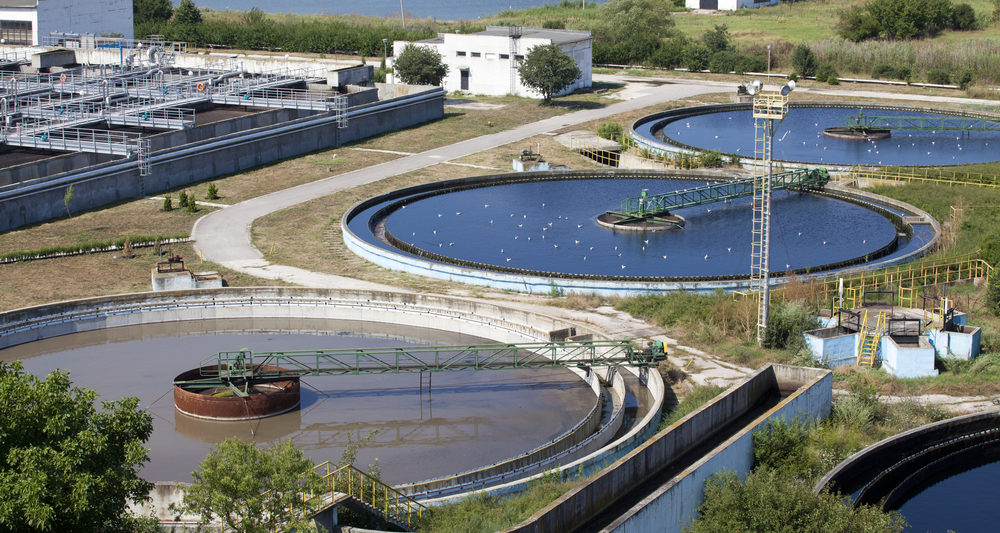
Water is one of the most important resources for both life and industry. However, many industries use a lot of water in their processes and end up creating wastewater that contains harmful substances like chemicals, oils, heavy metals, and organic materials. If this wastewater isn’t treated properly, it can spill into rivers, lakes, and underground water sources, causing major damage to both people and the environment. That’s where Effluent Treatment Plants (ETPs) are needed. These plants clean up the polluted water so it can be reused or safely released, making them a key part of treating industrial wastewater.
Today, more companies are using ETP solutions to help the environment, follow rules, and protect the communities they serve. Firms like Benaka Tech offer advanced systems such as sewage treatment plants, ETPs, and even filtration systems for swimming pools, helping to promote better water management in both industries and homes.
How Effluent Treatment Plants Improve Industrial Wastewater Quality
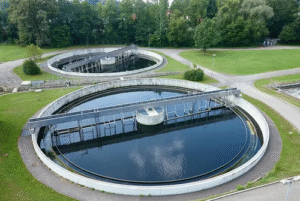
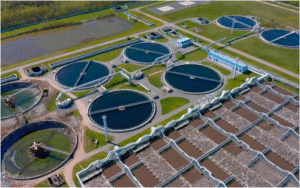
The wastewater treatment plant process typically involves:
- Preliminary treatment: Removal of large solids, oil, and grease.
- Primary treatment: Settling of suspended solids through sedimentation.
- Secondary treatment: Biological processes that break down organic matter.
- Tertiary treatment: Advanced filtration, disinfection, and removal of harmful substances.
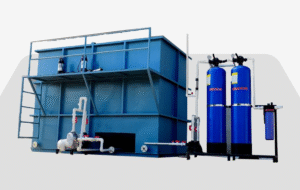
Many industries also use a wastewater treatment plant that is customized to fit their particular requirements, helping them save time and money.
Benefits of Effluent Treatment in Reducing Industrial Pollution
Using wastewater treatment plants can bring both environmental and economic advantages.
- Pollution control: By cleaning up used water, industries help cut down on water pollution, which keeps water environments healthy and ensures people’s safety.
- Resource conservation: Treated water can be used again for cooling towers, gardening, or even in swimming pools, but it may need extra purification steps.
- Cost savings: Using recycled water decreases the need for fresh water and helps cut down on expenses for running operations.
- Corporate responsibility: Investing in an ETP helps a company build a better reputation by demonstrating its dedication to being environmentally friendly.
In short, industries that use these systems not only follow the rules but also benefit from better long-term operation and cost savings.
Effluent Treatment Plant Regulatory Compliance Standards
Governments worldwide have strict environmental regulations that industries must comply with. For example, in India, the Central Pollution Control Board (CPCB) mandates that industries generating wastewater must install effluent treatment plants.
- Limits on biological oxygen demand (BOD) and chemical oxygen demand (COD).
- Permissible levels of heavy metals, oil, and grease.
- Discharge points and acceptable reuse methods.
Best Practices in Designing Effluent Treatment Systems
Setting up an efficient effluent treatment plant involves more than just installing equipment. For optimal performance, industries should follow these essential best practices:
- Conduct water quality analysis to identify specific pollutants.
- Choose the right wastewater treatment plant model based on industry type and wastewater volume.
- Incorporate automation and monitoring systems for efficiency.
- Plan for scalability so the system can expand with industrial growth.
- Integrate energy-efficient technologies to reduce operational costs.
Building a good effluent treatment plant involves more than just installing equipment. For it to function properly, industries should follow these key best practices:
Advanced Effluent Treatment Technologies for Heavy Metals Removal
A major challenge in treating industrial wastewater is the presence of dangerous heavy metals like lead, mercury, and chromium. Traditional methods of treating this water often fail to completely remove these metals. Now, modern wastewater treatment plants use advanced technology to address these problems more effectively.
- Membrane filtration systems for precise separation of contaminants.
- Ion exchange processes to remove dissolved metals.
- Chemical precipitation methods to neutralize toxic substances.
- Bioremediation techniques using specialized microbes for eco-friendly treatment.
Conclusion
In today’s world, industries can’t ignore the importance of effluent treatment plants. They are more than just a requirement to follow the law; they help keep water clean, protect people’s health, and support business growth in an eco-friendly way. With modern wastewater treatment systems, companies can turn wastewater from a challenge into a valuable resource.
Businesses seeking reliable solutions should partner with experienced companies like Benaka Tech. They provide advanced effluent treatment plants, sewage treatment systems, and even swimming pool filtration that are tailored to specific needs. Investing in the right wastewater treatment solutions now helps create a cleaner, more sustainable future.
FAQs
- What is the role of an effluent treatment plant in industrial wastewater care?
Heavy metals, and organic pollutants before it is released, making sure that the discharge meets environmental standards and supports sustainable practices. - How does a wastewater treatment plant process work?
The process has four main steps: first, removing solid materials, then breaking down organic substances, followed by eliminating harmful toxins, and finally making the treated material safe for reuse or proper disposal. - Why should industries invest in advanced wastewater treatment plant models?
Advanced models are tailored for wastewater in specific industries, which helps improve how well treatment works, lowers costs, and ensures compliance with regulations. - Can treated wastewater from an ETP be reused?
Yes, water that has been treated can be used again for things like cooling towers, landscaping, or even in swimming pools, but only after it has gone through advanced purification processes. - What is the difference between a sewage treatment plant and an effluent treatment plant?
A sewage treatment plant handles wastewater from homes, while an effluent treatment plant deals with waste from industries that has more chemicals and heavy metals.