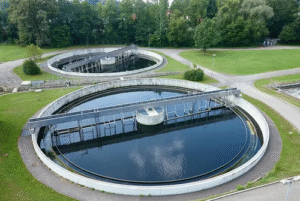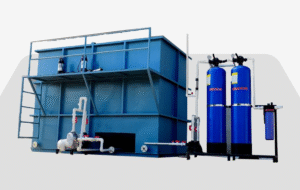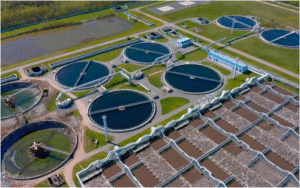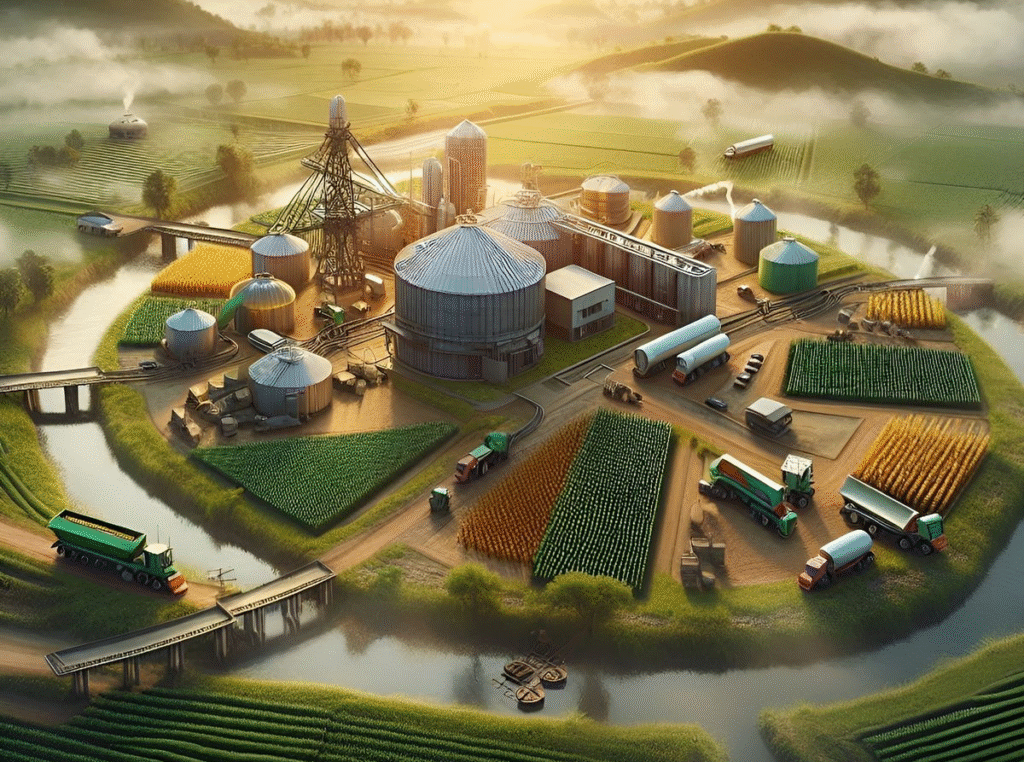
Water scarcity is one of the biggest problems the world is facing today. As more people are living and more industries are growing, the need for clean water is increasing rapidly. Natural water sources are becoming overused, which means finding new ways to get water is not just helpful, but necessary. That’s where a wastewater treatment plant comes in. These plants clean and reuse water that would otherwise be wasted, making it possible to use it again in farming, factories, and even places like swimming pools.
Thanks to improvements in how sewage treatment plants work, the water they clean is now safe enough for a wide range of uses. Let’s take a closer look at how reusing treated wastewater is helping to build a more sustainable future.
How STP Wastewater Reuse Supports Agriculture and Industry
Water scarcity is one of the biggest problems the world is facing today. As more people are living and more industries are growing, the need for clean water is increasing rapidly. Natural water sources are becoming overused, which means finding new ways to get water is not just helpful, but necessary. That’s where a wastewater treatment plant comes in. These plants clean and reuse water that would otherwise be wasted, making it possible to use it again in farming, factories, and even places like swimming pools.
Thanks to improvements in how sewage treatment plants work, the water they clean is now safe enough for a wide range of uses. Let’s take a closer look at how reusing treated wastewater is helping to build a more sustainable future.
Advantages of Using Treated Wastewater in Farming
- Nutrient-rich irrigation: Water that has been treated from a sewage plant usually has nitrogen and phosphorus in it, which work like natural fertilizers.
- Reduced freshwater demand: Farmers can water their crops without using up too much from rivers and underground water sources.
- Cost efficiency: Using recycled water helps reduce the amount of costly chemicals that are needed.
- Year-round availability: STPs ensure a steady supply of clean water, allowing for consistent irrigation even when it’s dry.
Using treated water for farming helps communities save natural resources and gradually makes the soil more fertile.
Role of Sewage Treatment Plants in Industrial Water Reuse
Industries use a lot of water. In places like textile factories, chemical plants, food processing units, and power stations, water is a key part of their daily work. However, when this water isn’t treated before being released, it can pollute the environment and create health problems.
Sewage treatment plants and effluent treatment plants help clean and reuse water within industries.
This recycled wastewater can be used for:Cooling systems in factories
- Boiler feed water
- Equipment washing
- Landscaping and gardening in industrial estates
Using treated wastewater, industries can save money, follow environmental rules, and lessen their impact on the environment.
Sustainable Irrigation with Reclaimed STP Water
The wastewater treatment process is made to ensure both safety and sustainability. Water that has been treated at sewer treatment plants can be sent to farms through pipes and channels, providing a reliable source for watering crops. Farmers gain from:
- Reduced dependency on groundwater
- Better crop yields with nutrient-rich water
- Sustainable irrigation practices that protect future generations
This system helps keep farming environmentally friendly at the same time as it tackles the growing water shortage problem.
Cost Benefits of Wastewater Reuse in Agriculture and Industry
Investing in a wastewater plant or a sewage treatment facility might look costly at first, but the advantages over time are well worth the initial expense. Here’s how:
- Lower operational costs: Industries reduce their freshwater bills by reusing treated water.
- Fewer penalties: Compliance with wastewater discharge regulations avoids fines.
- Higher agricultural productivity: Farmers save on fertilizers and irrigation costs.
- Sustainable growth: Communities achieve a balance between development and resource conservation.
By using systems like STPs, ETPs, and swimming pool filters, businesses and farms can save a lot of money and help the environment.
Conclusion
The future of managing water depends on reusing wastewater. With this in mind, modern wastewater treatment plants and advanced sewage treatment processes ensure that both agriculture and industry can grow in a sustainable way. Moreover, by selecting dependable wastewater treatment solutions, we not only help protect natural resources but also cut down on costs and, as a result, build a healthier future. In addition, whether it’s through sewage treatment plants, effluent treatment plants, or swimming pool systems, companies like BenakaTech are leading the way in creating sustainable water management. Therefore, it’s time for communities, farmers, and industries to see wastewater not as something to get rid of, but rather as a valuable resource for the future.
FAQs
Q1. What is wastewater reuse, and why is it important?
Wastewater reuse involves using water that has already been treated from a wastewater plant or sewage treatment facility for purposes like farming, manufacturing, or business operations. This practice helps save fresh water and supports a more sustainable approach to water use.
Q2. How does the sewage treatment plant process work?
The process of treating sewage includes three main steps: first, the wastewater is filtered to remove large particles, then it goes through a biological treatment to break down harmful substances, and finally, it is disinfected to make it safe for reuse.
Q3. What are the benefits of secondary treatment of waste water?
Secondary treatment helps take out organic stuff, bad bacteria, and other pollutants from the water, so it can be used for things like watering plants, being reused in factories, and other uses that don’t require it to be drinkable.
Q4. Can industries benefit from wastewater reuse?
Industries can use treated wastewater again for cooling, cleaning, and other tasks. This helps save money and makes sure they follow environmental rules.
Q5. How can farmers use reclaimed water from STPs?
Farmers can use water that has been treated and reused for watering their crops, which helps them rely less on groundwater and also makes their crops grow better. This type of water has plenty of nutrients, so they don’t need to use as much fertilizer.