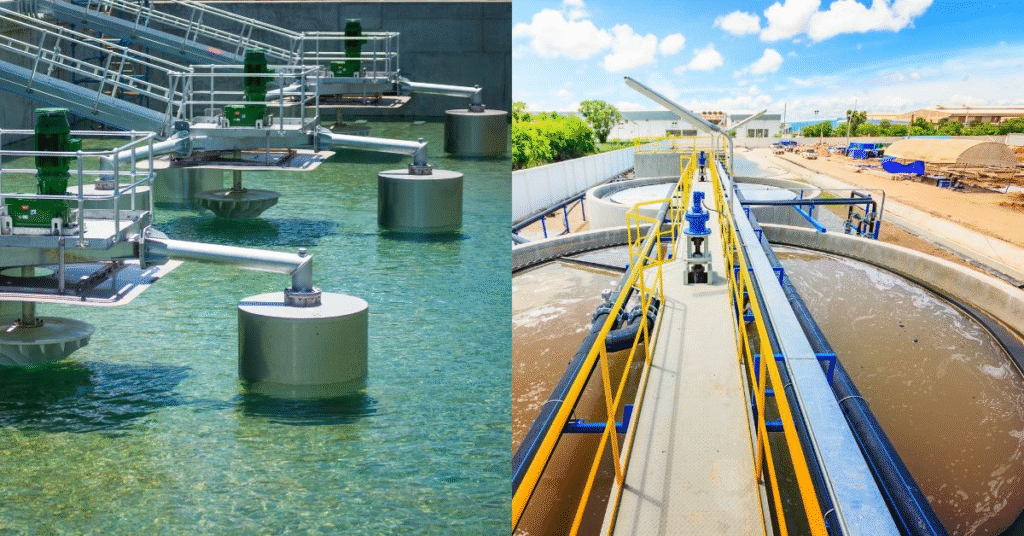
Clean and safe water is now one of the biggest concerns in today’s world. As industries grow faster, cities expand, and the need for water increases, the importance of water treatment plants has never been higher. Factories and businesses create a lot of wastewater that includes dangerous chemicals, harmful substances, and organic materials. If this wastewater isn’t treated properly, it can harm the environment, pollute rivers and lakes, and pose risks to human health.
That’s where an effluent treatment plant, or ETP, comes in. These plants help clean industrial wastewater before it is released back into the environment. This ensures that industries follow environmental rules, helps protect natural resources, and supports long-term sustainability. Whether it’s a shared ETP that serves many different businesses or a special setup used by a single industry, these plants are essential in managing wastewater in today’s world.
Why Effluent Treatment Plants Are Important for Industries
Industries like textiles, pharmaceuticals, chemicals, and food processing create a lot of waste water that can harm the environment. An effluent treatment plant helps these industries follow environmental rules and lessen their effect on the planet.
For example, textile dyeing units release colored wastewater, and pharmaceutical companies produce chemical waste.If there’s no proper water treatment system, these harmful substances could end up in rivers and underground water sources. By setting up an ETP, companies not only help the environment but also enhance their image by showing they care about sustainability.
Role of Effluent Treatment Plants in Water Management
Water scarcity is a big problem around the world, and it’s important to manage water properly so future generations have enough. A common effluent treatment plant helps handle wastewater from many small and medium-sized businesses that can’t afford their own treatment systems. Working together like this saves money and makes sure these businesses follow the rules set by the government.
In cities like Delhi, the Chandrawal water treatment plant is very important for providing clean water to millions of people. Industrial areas also depend on effluent treatment plants to deal with wastewater in a responsible way. These systems are key to making sure water is used sustainably in both industries and local governments.
How Effluent Treatment Plants Help in Wastewater Recycling
One of the biggest benefits of an effluent treatment plant is that it helps recycle wastewater. By reusing water, we don’t have to take as much fresh water from rivers, lakes, or underground supplies, which is very important in places where water is scarce. The cleaned wastewater can then be used for many different purposes that don’t require it to be safe to drink.
- Industrial cooling and boiler feed
- Landscaping and irrigation
- Washing equipment and floors
- Refilling swimming pools
- Supplementing processes in a sewage treatment plant
By reusing wastewater, businesses can greatly reduce their water costs and make their activities more environmentally friendly. This green practice also helps companies reach their corporate social responsibility targets and gain the confidence of local communities.
Best Effluent Treatment Plant Process for Industries
The efficiency of a water treatment plant relies on the process it uses. Different industries need specific solutions based on the type and volume of waste water they generate. A standard effluent treatment plant process usually includes several steps:
- Preliminary Treatment – Removal of large solids, grit, and oils.
- Primary Treatment – Sedimentation to separate suspended particles.
- Secondary Treatment – Biological treatment using microbes to degrade organic matter.
- Tertiary Treatment – Advanced filtration, reverse osmosis, or disinfection to remove dissolved contaminants.
Difference Between Sewage Treatment and Effluent Treatment
Even though they might look alike, there’s a definite difference between a sewage treatment plant and an effluent treatment plant.
- Sewage Treatment Plant (STP): This system handles wastewater from homes, businesses, and cities. Its main goal is to eliminate organic material, harmful germs, and substances that can be broken down by living organisms.
- Effluent Treatment Plant (ETP): Made to handle industrial wastewater that has chemicals, heavy metals, oils, and things that don’t break down easily.
Conclusion
A water treatment plant is not just something industries and cities need—it’s also something they owe to the environment. As pollution rises and water becomes harder to find, setting up effluent treatment plants has become a key part of building a sustainable future. These plants protect natural resources, help reuse water, and make sure businesses follow environmental rules.
When companies invest in the right effluent treatment plant, they can save money, manage water better, and help create a healthier world. Firms like Benaka Tech offer modern solutions for effluent treatment plants, Septage Treatment Plants, and other related systems, providing efficient and affordable ways to treat wastewater according to the needs of different industries. Picking the right partner for your water treatment needs is the first step in managing water responsibly—and it’s a step toward a cleaner, healthier planet.
FAQs
- Why is an effluent treatment plant important for industries?
An effluent treatment plant helps industries manage wastewater, reduce pollution, and comply with environmental regulations while enabling water reuse. - What is the difference between a sewage treatment plant and an effluent treatment plant?
A sewage treatment plant manages domestic wastewater, whereas an effluent treatment plant treats industrial wastewater containing hazardous chemicals. - How does the effluent treatment plant process support wastewater recycling?
The effluent treatment plant process removes harmful contaminants and makes wastewater safe for reuse in industries, irrigation, and even swimming pools. - What are the benefits of a common effluent treatment plant?
A common effluent treatment plant reduces costs by serving multiple small industries, ensures legal compliance, and promotes collective wastewater management. - 5. Can effluent treatment plants reduce water costs for industries?
Yes, by recycling treated wastewater, industries can reduce dependency on freshwater sources, thereby cutting water bills significantly.